Guides
Halifax humidity and how it wears upholstery fabric down
Halifax humidity and how it wears upholstery fabric down starts with damp harbour air, salt crystals in the weave, and foam and stitching wear.
What to take away
- Halifax sits in a maritime climate where indoor humidity stays high through spring and autumn, so fabric and foam dry slowly.
- Salt crystals from harbour and Atlantic air settle in the weave, pull moisture back out of the air, and abrade thread as the fabric flexes.
- Foam loses rebound before the cover looks worn; press a seat cushion and time how long it takes to spring back.
- Seams, piping and button tufts fail first, because thread swells and shrinks with every damp cycle.
- Most Halifax homes need a deep clean every 12 to 18 months; coastal, pet and basement units run closer to 9 to 12.
How damp harbour air reaches the fibres
Halifax air carries a lot of water. Fog rolls off the harbour, rain arrives in long spells, and indoor humidity can sit high for weeks at a time. Fabric takes that moisture in through the weave and holds it in the backing and cushion core.
Salt rides the same wind. Aerosol droplets dry on the surface and leave fine crystals in the yarn. Salt pulls water back out of the air, so a coastal sofa stays damp even when the room feels dry.
The two together change how a fibre behaves. Cotton and linen swell and relax repeatedly. Wool felts slightly at rubbed edges. Viscose rayon loses strength when wet, and the pile on chenille or velvet flattens where damp weight presses it down.
You can feel it before you see it. Run a hand across a seat and note whether the surface feels cool and slightly tacky. That is residual moisture, and it shows up long before any stain.
Ventilation decides how long that moisture stays. The Canadian Centre for Occupational Health and Safety sets out general ventilation principles that apply to a living room as much as a workshop: move air through the space, exhaust the damp air, keep the supply clean. See CCOHS ventilation guidance for the mechanics.
In practice that means a bathroom or kitchen fan left running, a dehumidifier holding the room near 45 to 50 per cent relative humidity, and furniture pulled a few centimetres off exterior walls so air moves behind it. A sofa pushed flat against a cold outside wall stays damp on the back panel all winter.
What maritime damp does to foam and stitching
Foam is where the damage gets expensive. Polyurethane foam is open celled, so humid air moves through it and condenses when the cushion cools. Repeated wet and dry cycles stiffen the cell walls, and the cushion loses its spring. A seat that once bounced back in a second starts to stay compressed.
Salt speeds that up. Crystals left inside foam draw moisture inward and keep the cell walls damp, so the foam never fully dries. Odour follows, because damp foam holds what grows in it, and the smell returns within days of any surface clean.
Stitching fails on a similar timeline. Thread takes up water, swells, then shrinks as it dries, which loosens the tension in each stitch. Seams, piping and button tufts carry the most flex and show it first. Salt crystals abrade the thread as the fabric moves against them.
Springs and webbing sit under the same damp cushion, so rust and stretch come next. On a coastal Halifax sofa, foam and stitching wear often arrives together, which is why replacing foam alone rarely fixes the seat.
A worked example. A three year old linen blend sofa in the south end, 500 metres from the water, used daily. By year three the back cushions have softened, the piping seam has opened at one arm, and the seat foam holds a compressed dip.
None of that is a fabric fault. It is damp and salt doing their work.
The fix is not a stronger shampoo. It is drying the piece properly after any wet clean, which belongs in your written routine. The workflow that keeps jobs consistent, from pre-inspection to final dry, is set out in this guide to carpet cleaning operations.
Inspection points for Nova Scotia homes
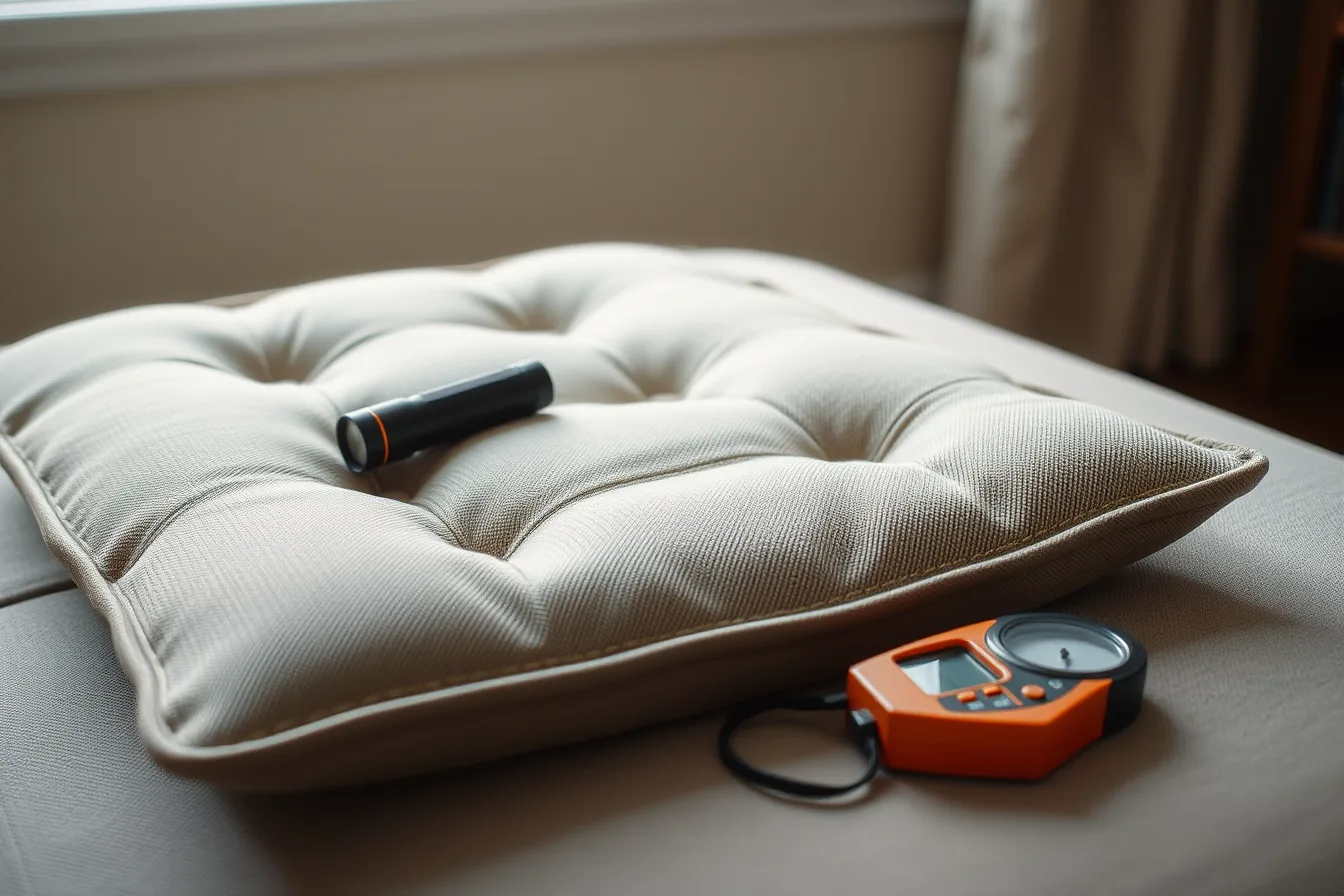
Inspect with a torch and a moisture meter, not by eye alone. Halifax stock runs from Victorian rentals near the citadel to new builds in Bedford and Dartmouth, and each has its own damp pattern.
Work through these points on every visit:
- Back panel and lower skirt, especially where the sofa meets an exterior wall.
- Seat cushion cores, squeezed and released, checking for slow rebound.
- Seams, piping, button tufts and any place two panels meet.
- Arm tops and headrests, where skin oils and damp combine.
- Under cushions, for staining, mould speckling or a musty smell.
- Frame joints and webbing, felt for movement or rust staining.
- Room conditions: window condensation, a dehumidifier, or a fan that never runs.
Record what you find. A dated note on foam rebound and seam condition lets you compare at the next visit, the same discipline that underpins carpet cleaning quality control.
Basements and ground floor units deserve extra attention. Damp settles low, and Halifax carries a large rental stock where upholstery is used hard and dried poorly. The 2025 rental market report from CMHC tracks that pressure across major centres, including Halifax.
Before any wet method, check the piece's cleaning code and test colorfastness on a hidden panel. Codes W, S, WS and X are set by the furniture maker, and fiber-care guidance comes from that maker, not from the cleaner.
Cleaning intervals suited to Halifax humidity
There is no single number, but Halifax homes cluster into a few bands. Use these as a starting point and adjust after the first inspection.
| Home and use | Deep clean interval | Extra step |
|---|---|---|
| Inland Halifax, no pets, adults only | 18 months | Vacuum monthly, rotate cushions |
| Inland Halifax, children or pets | 12 months | Spot clean within 48 hours |
| Coastal or harbour facing | 9 to 12 months | Dehumidifier, air gap at walls |
| Basement or ground floor rental | 12 months | Check backing for mould each visit |
| High use commercial seating | 6 to 9 months | Quarterly inspection |
Build the interval around drying, not just cleaning. A clean that leaves foam damp for two days does more harm than a slightly delayed clean. Drying runs longer in October and November, so book wet work into drier weeks where the schedule allows.
For capacity planning, the housing market outlook from CMHC sets out where Nova Scotia households and rental demand are heading, which shapes how many recurring visits a Halifax route can carry.
Set the interval with the client in writing. Note the humidity reading, the dehumidifier setting and the next inspection date. A written interval is the core of a carpet cleaning sop checklist any technician can follow on the day.
Fabric care choices that slow the wear
Fabric choice matters more in Halifax than in most Canadian cities. Tight, flat weaves in solution dyed synthetics shed salt and dry faster than deep pile or loose loop. Wool is durable but holds moisture, so it needs more air movement. Cotton and rayon blends look good and age fastest in damp rooms.
Ask about the room before the fabric. A sofa beside a harbour window takes more salt than one in a sheltered inland den, and no finish compensates for a room with no ventilation.
Protectants help, within limits. A fluoropolymer treatment slows liquid absorption and makes salt easier to rinse, but it does not stop humidity. Reapply on the maker's schedule, and never treat a damp cushion, because you will trap moisture under the coating.
Cushion care is cheap and effective. Rotate and flip seats weekly, and stand cushions on edge in a dry room for a few hours each month so air reaches the core. That one habit adds years to foam in a Halifax home.
For cleaners, the service mix is shifting toward recurring maintenance rather than one off jobs, which suits a damp climate. The direction of that demand is covered in this guide to carpet cleaning equipment, and it is worth matching your packages to it.
A maintenance plan with defined intervals and a drying step is easier to sell than an emergency clean, and the structure of those offers is set out in these carpet cleaning services.
Common questions
How often should Halifax upholstery be deep cleaned?
Every 12 to 18 months for most homes, and every 9 to 12 months for coastal, pet or basement units. Inspect first, then set the interval with the client.
Does salt air really damage fabric, or is it just the humidity?
Both act together. Salt crystals sit in the yarn, draw moisture from the air and abrade thread as the fabric flexes, so a coastal piece dries more slowly than an inland one.
What is the first sign that damp is affecting foam?
Slow rebound. Press a seat cushion, release it, and watch how long it takes to return. A cushion that stays compressed has already lost cell structure.
Can a protectant stop maritime humidity damage?
No. It slows liquid spills and makes salt easier to rinse, but it does not stop water vapour moving through the fabric and into the foam.