Guides
How work flows through a carpet cleaning business in 2027
Fiber and cleaning code pick the method, recorded dwell time and drying control prevent callbacks, and route math decides which jobs pay after truck capacity.
What to take away
- The cleaning code on the tag, not the fiber name alone, decides whether you use water, solvent or dry compound.
- Pre-spray dwell time is a recorded step with a start and end time, not a pause you fill with other work.
- Pre-inspection photos and a customer walkthrough at the end are what settle damage disputes.
- Browning and wicking are drying faults, and both are preventable on the day of the job.
- A truck-mount and a portable select different jobs, so the van you own shapes the work you can quote.
What the fiber does in the wash
Fiber identity sets the method before the code confirms it. The table below is the wash behavior you plan around, not a substitute for the tag.
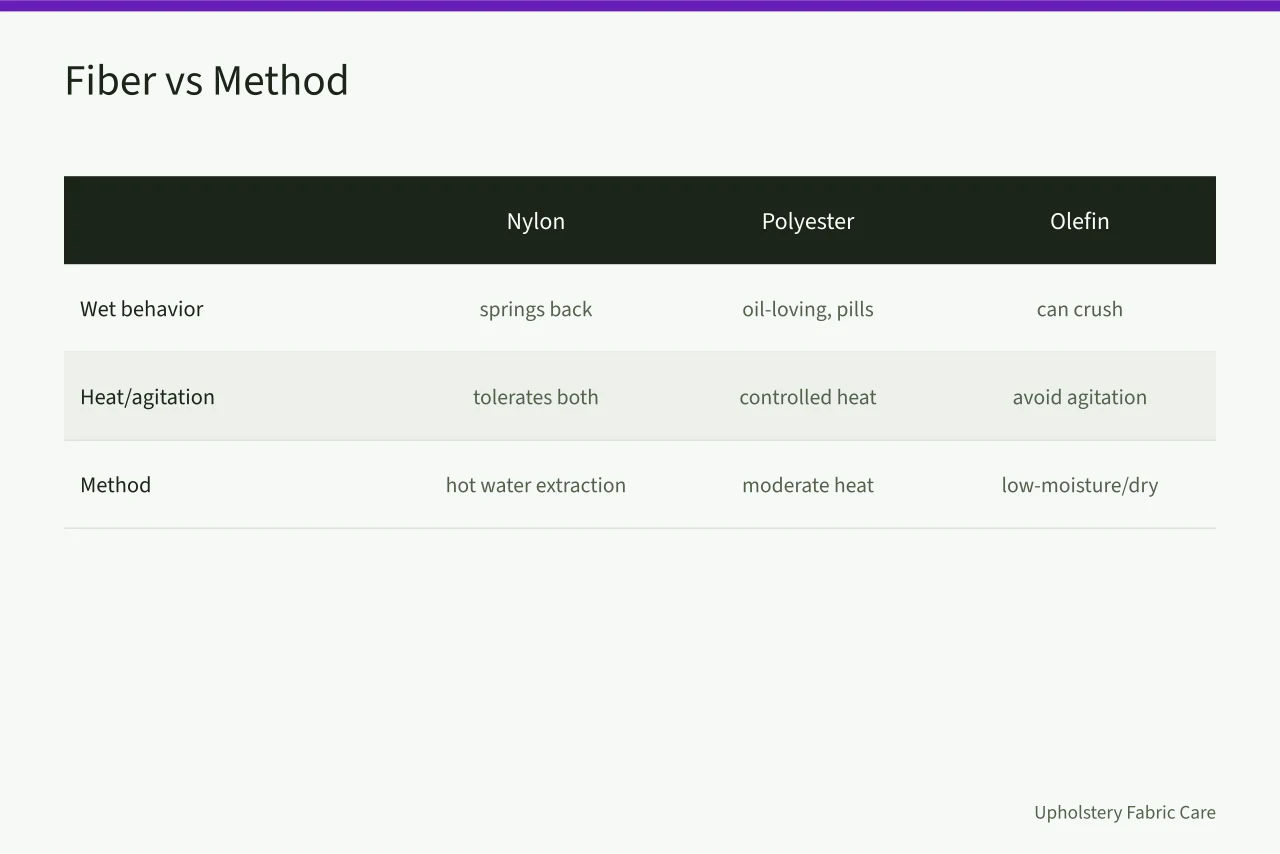
Viscose is the fiber that changes the job. It can sit beside nylon in the same room and need a different method, a different product and a longer visit. A blended sofa face of viscose and polyester behaves like viscose.
Reading the code, and where it hides
The cleaning code sits on the furniture tag, usually under a cushion, on the deck, or stapled to the frame. W means water-based products. S means solvent only. WS means either. X means vacuum only, no liquid at all.
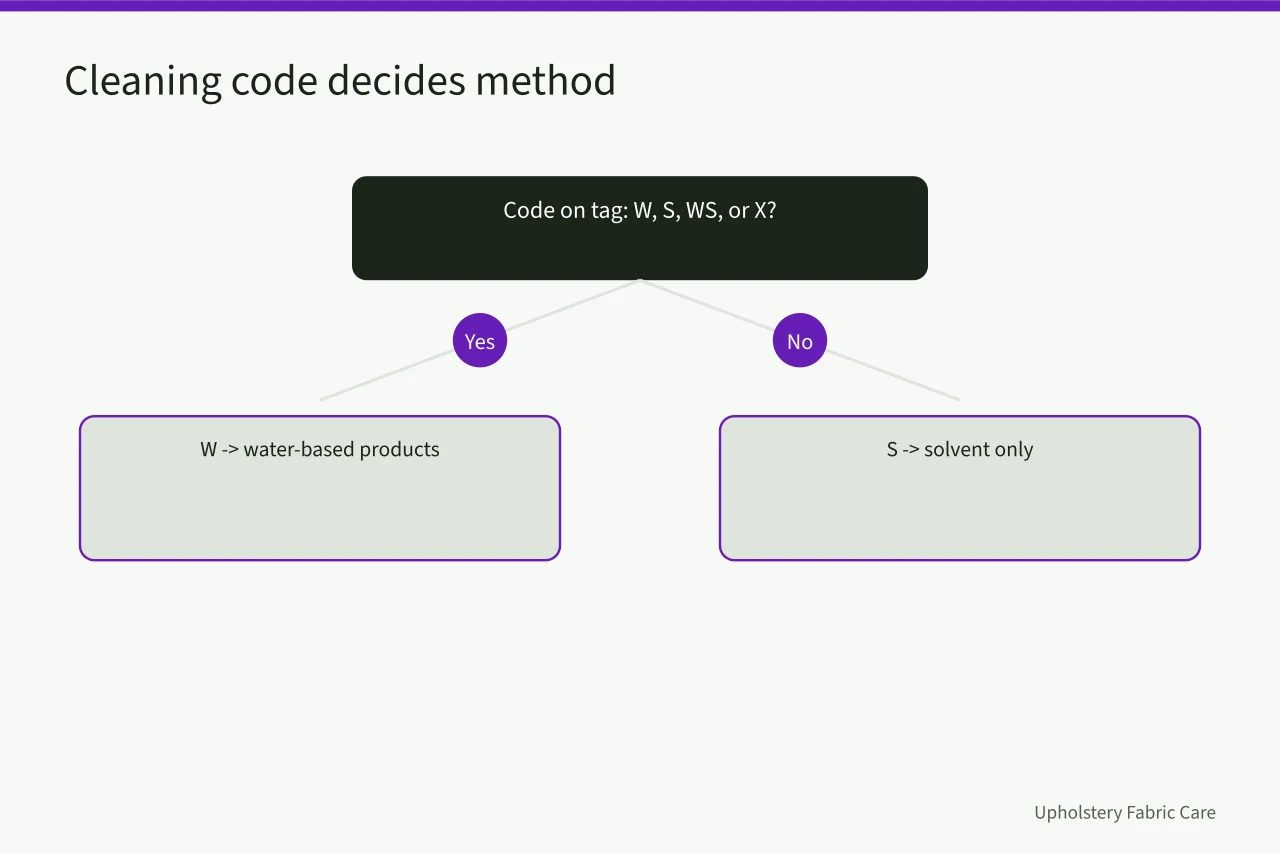
The code outranks your usual method and it outranks what the customer says the last company did. When the code and the fiber disagree about what is safe, the code wins and you get the manufacturer's written instruction before you start.
Testing before the first wet pass
Colorfastness and bleed tests run on a hidden area before any wet method starts. Wool, cotton and viscose fail most often, and a red or navy dye can migrate into a pale field in minutes.
Record the result with the date, the product and the technician's name. If the dye moves, the method changes or the job is declined, and that conversation happens while the furniture is still where the customer wants it.
The seven-step job sequence
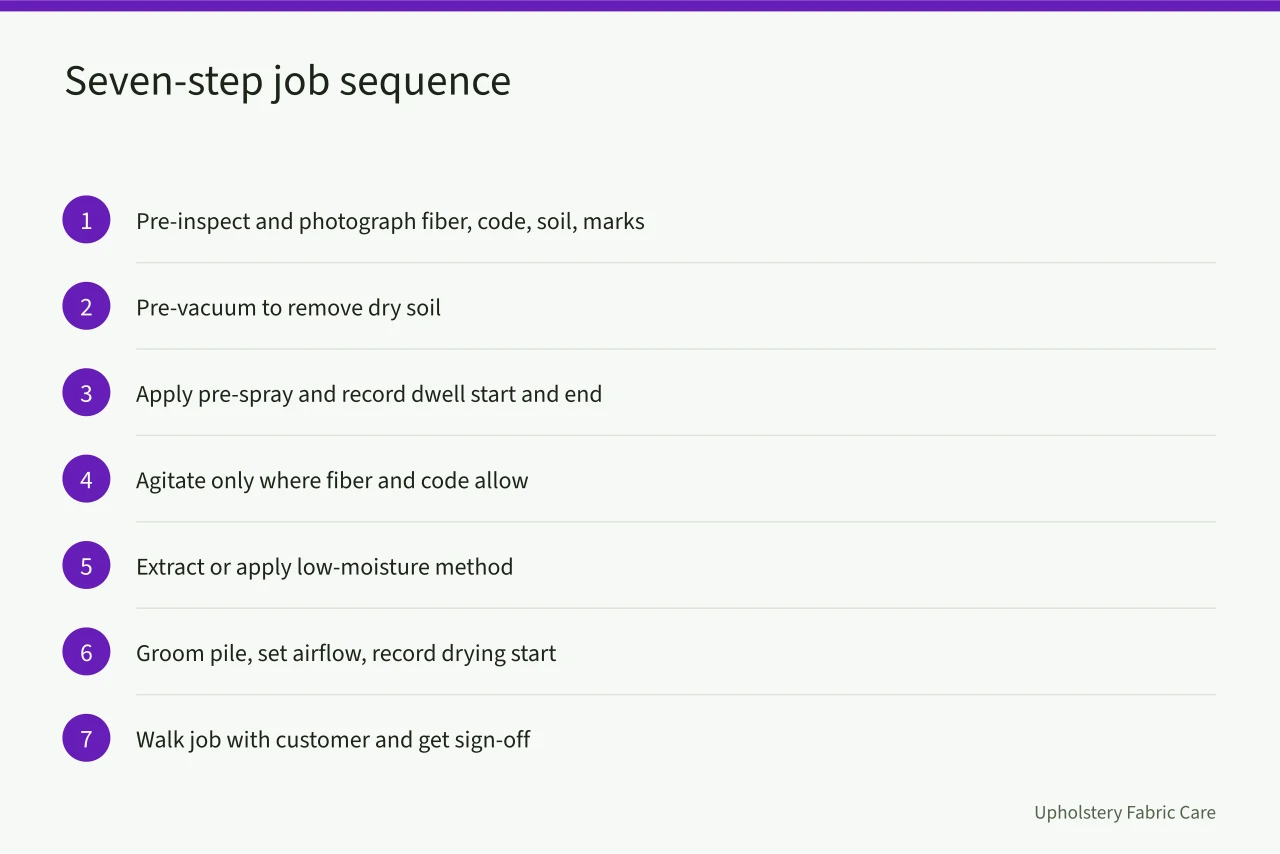
- Pre-inspect and photograph. Capture fiber, code, soil level and every pre-existing mark before anything is moved.
- Pre-vacuum. Dry soil removal is most of the work on a soiled carpet, and skipping it loads the pre-spray.
- Apply pre-spray and start the clock. Record the dwell start and end against the time the product label states.
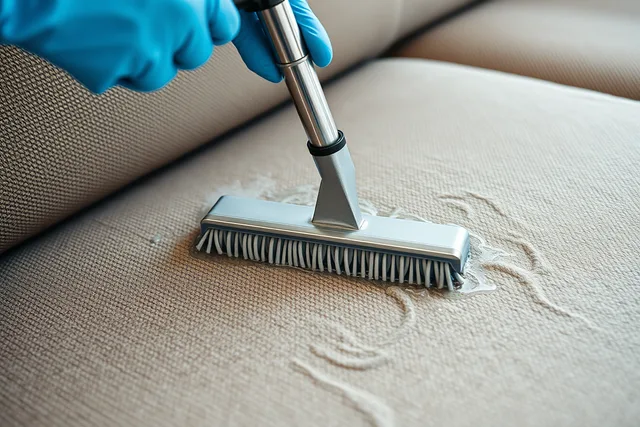
- Agitate only where the fiber and code allow it. Viscose and wool usually do not.
- Extract or apply the low-moisture method. Overlap the wand passes and do not repeat a line.
- Groom the pile, set airflow, and record the drying start time.
- Walk the job with the customer, compare against the pre-inspection photos, and get the sign-off before the van leaves.
The photos are the step technicians skip and the step that ends arguments. A scuff that was there on arrival, shown on a phone screen, is a two-minute conversation instead of a credit.
Over-wetting, drying and the two callbacks
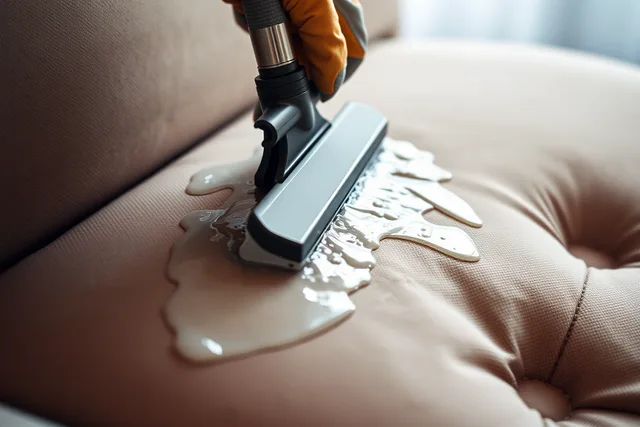
Over-wetting causes most of the following week's phone calls. A wand that moves too slowly, or a pass repeated on the same line, pushes water past the backing into the underlay, and airflow will not dry that inside a normal visit.
Browning is a cellulosic problem. Cotton, viscose and jute backing release brown dye as they dry and it wicks to the surface a day later. Wicking is the same mechanism with soil instead of dye: clean when wet, mottled when dry.
Both are drying and residue faults. A slow dry, or pre-spray left in the pile, gives them something to work with. A fast dry and a full rinse pass remove the conditions. Neither is fixed by a second wet pass on the same day.
Protector goes on after the carpet is dry, never before, and the product label is the authority on coverage and cure time.
What the van decides about job selection
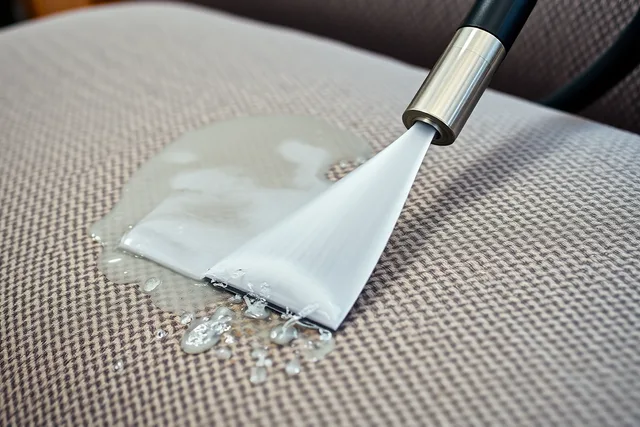
A truck-mount carries its own heat and vacuum. It reaches deeper into a cut-pile carpet and dries faster, and it needs the van at the kerb. A fourth-floor flat with no parking is not its job.
A portable goes where the van cannot. Lower heat, less vacuum, longer dry, smaller working radius per visit, and it opens up high-rise and after-hours work the truck-mount turns down.
Route density decides whether the day pays. Two jobs an hour apart on the same street beat four scattered across a city, even when the scattered four pay more per room. Drive time is unpaid work that still burns fuel and wages.
Setting the minimum charge from your own numbers
The minimum charge exists because one chair or a stair runner still costs a drive, a setup, a chemical load and a record. Build it from your own figures rather than a competitor's advertised rate.
Let S be your setup and pack-down minutes, D the round-trip drive minutes, R your loaded hourly cost, and M the minutes of actual cleaning. Then:
minimum charge = (S + D + M) / 60 x R
If a quoted job falls below that number, it loses money at any price the customer will accept. Recalculate R when fuel, insurance or wages move, and check your rate against the BLS occupational wage tables for your area.
Where the rules come from
Fiber-care guidance comes from the carpet or furniture manufacturer and the cleaning code on the tag. Where the two disagree, follow the code and get the manufacturer's instruction in writing.
Licensing and wastewater disposal vary by state and municipality. Confirm with your state board and your local sewer authority before you discharge anything, and keep the answer on file.
Chemical handling sits under the OSHA hazard communication standard, which covers labels, safety data sheets and training for covered employers. Hazards specific to this work are set out in the OSHA cleaning industry guidance.
Keep job records, product records and financial records so income and expenses are clear and supported. The IRS describes what that means in what kind of records to keep.
Common questions
What if the customer does not know the fiber?
Read the tag, then the cleaning code. If neither exists, treat the item as the most delicate fiber it could be, run a colorfastness test on a hidden area, and use the least aggressive method that will do the work.
Can viscose take hot water extraction?
Only where the manufacturer and the cleaning code both allow it, and only after a bleed test. Viscose loses strength when wet, so dry compound or solvent is the safer route on a sofa or a rug with no margin for error.
Why did the carpet look clean and then go brown?
Browning and wicking happen during drying, when dye or soil moves from the backing up the tufts. Fast drying, a full rinse pass and no pre-spray left in the pile are what prevent them.
How long should a job take?
It depends on fiber, code, soil level and method. Time your own jobs by fiber and method, keep the numbers, and quote from those rather than from another operator's estimate.