Guides
Kitting out a new carpet cleaning business
A carpet cleaning equipment checklist for a first van, split into what must be bought before job one and what can honestly wait until the work asks for it.
What to take away
- Two lists, not one. What the first paid job requires, and what can wait until a job you have actually been offered requires it.
- Testing and documentation supplies belong in the first list. They are cheap and they are what prevent the expensive mistakes.
- Nothing here is a brand recommendation, because the right specification depends on the addresses in your territory.
- Tick a line only when the item is in the van and a technician knows where it lives.
Before you buy anything
Three questions decide most of the list, and answering them first saves a return trip to the supplier.
Which method do you own? Extraction, low-moisture, or both. The equipment and setup guide treats that as a job-selection decision rather than a purchase.
Which fibers and fabrics have you agreed to accept? That decides the hand tools and the product families you stock.
Where does your waste water go? That is answered by your municipality, and it changes how you fit out the vehicle. Which office answers it is covered in the licensing and compliance guide.
The first list: before job one
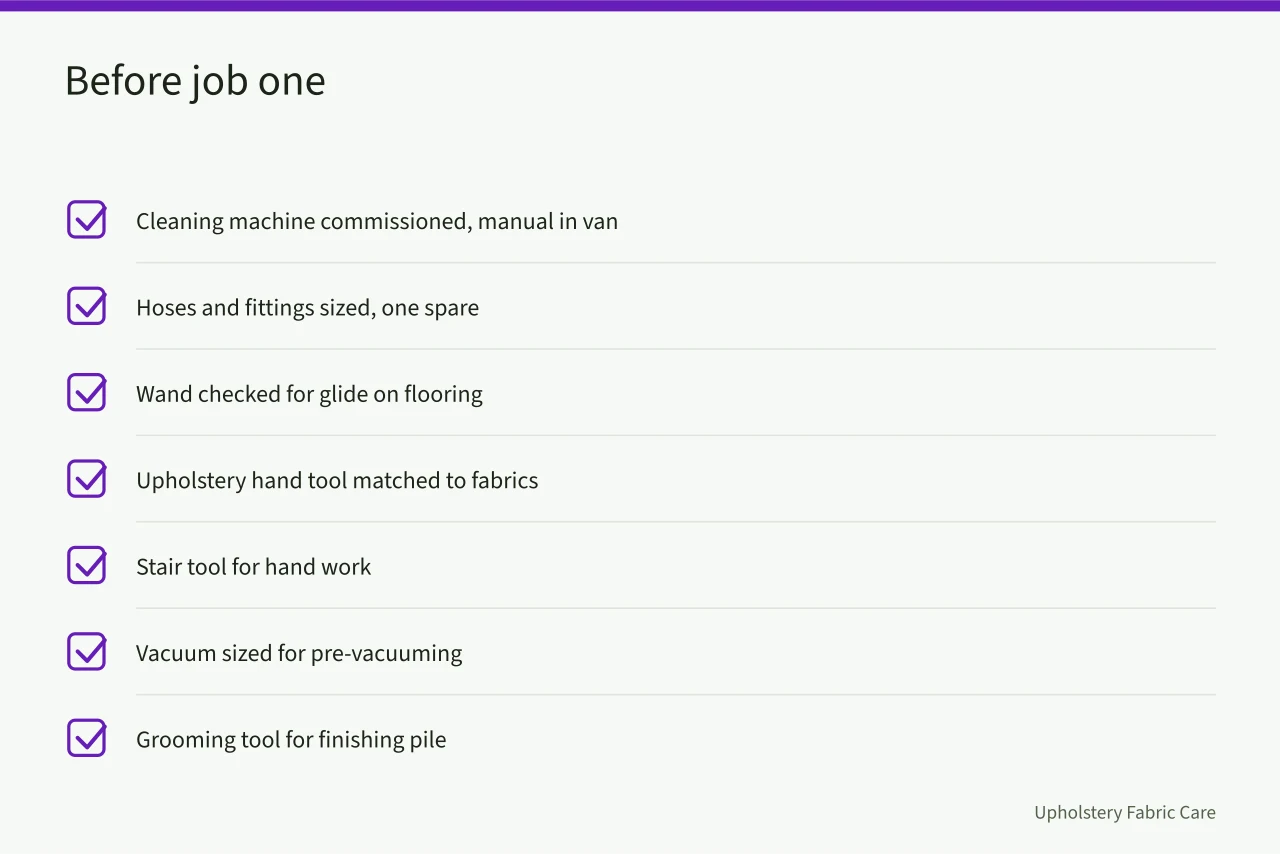
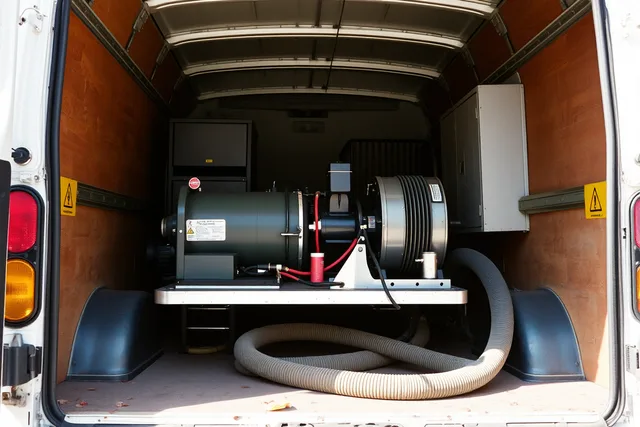
- Cleaning machine, commissioned, with the manual in the van and the first service interval diarized
- Hoses and fittings sized for your typical run, plus one spare of whatever fails first
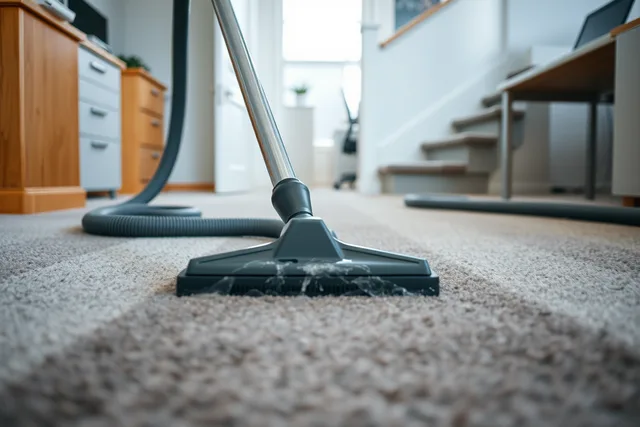
- Wand, checked for glide on the flooring you actually clean
- Upholstery hand tool matched to the fabric families you accept
- Stair tool, because stairs are hand work and a floor wand does them badly
- Vacuum sized for pre-vacuuming, which removes dry soil no wet process will get later
- Grooming tool, for finishing pile and helping the drying phase behave
- Air movers, enough for the largest room you will accept
- Pre-spray, rinse and spotter, bought and stored to the label
- Safety data sheets for every product carried, accessible on the vehicle
- Personal protective equipment as the product labels and your written safety program require
- Fiber identification supplies and a hidden-area colorfastness test kit
- White cotton cloths for bleed testing, in quantity
- Furniture blocks and tabs, so cleaned carpet is not marked by returned furniture
- Corner guards and hose protection, because damage to a customer's woodwork is the cheapest avoidable claim
- Pre-inspection form, on paper or on a device, with fields for fiber, code and test result
- Lighting good enough to see filtration lines and traffic lanes during inspection
- Payment method that works with no signal
- Fire extinguisher, first aid kit and spill materials appropriate to what you carry
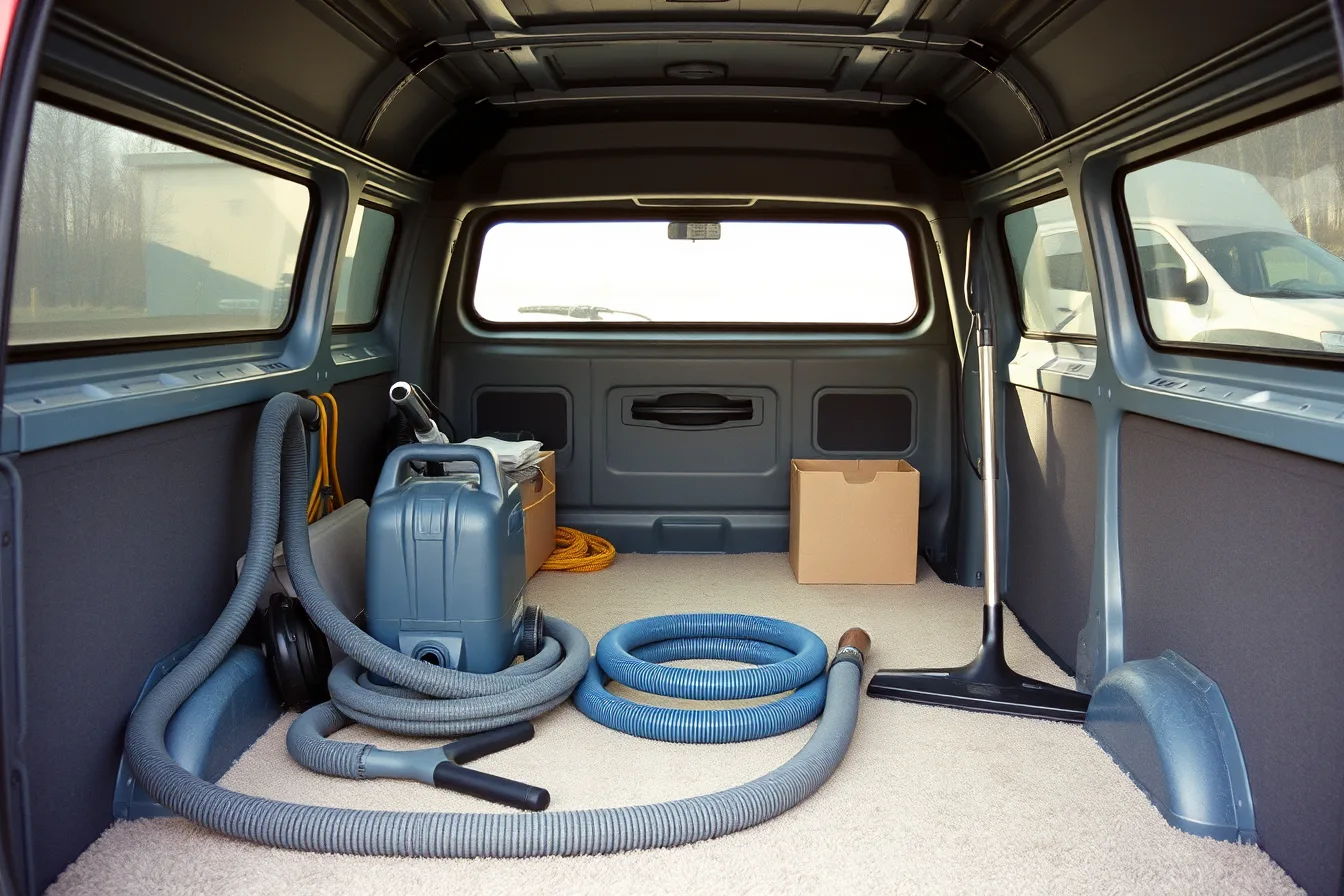
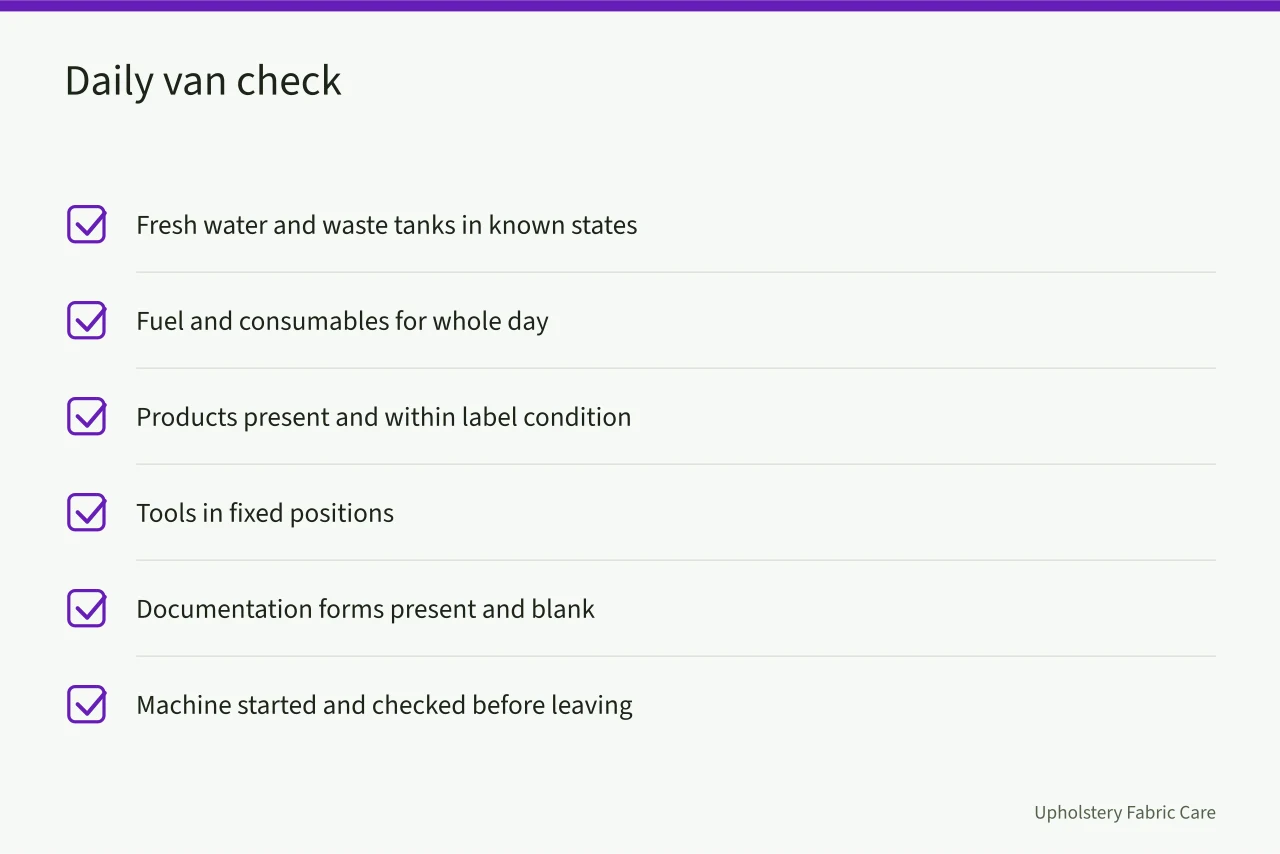
The van, checked at the door
Run this one every morning rather than once at purchase.
What can wait until the work asks for it
Buying these early is how a first-year budget disappears without a job to show for it.
A second machine. Buy it when a breakdown would cost real revenue, or when a second method opens work you are turning away.
Specialty rug tools. Wait until you have decided where rugs are cleaned and whether they are yours to accept at all.
A large air mover fleet. Add movers as room sizes demand them.
Protector applicator. Add it when protector is a service you actually sell rather than one you list.
Vehicle lettering and signage. Useful, and it belongs with the wider decisions in the marketing and growth guide rather than in the opening equipment budget.
A second technician's kit. That is a hiring decision, and the competence ladder in the hiring and training guide should come first.
Anything you have not been trained on. Product handling, labeling and worker training obligations for an employer are set out in the OSHA hazard communication standard, and a purchase does not shorten them. The physical hazards of cleaning work are described in the OSHA cleaning industry guidance.
Common questions
Why are testing supplies in the first list?
Because the failures they prevent are the expensive ones. A colorfastness test costs a white cloth and a few minutes. A fabric that bleeds because nobody tested costs a piece of furniture and a customer.
Should the first machine be new?
Buy on condition and service history, not on the year stamped on the plate. Ask for the maintenance log and run the machine before money moves.
How many air movers is enough to start?
Enough for the largest single room you have agreed to accept, plus one. Buying for a whole house before you have been asked to clean one is buying storage.
What is missing from most first vans?
Furniture blocks and tabs, and a working pre-inspection form. The first prevents marks on carpet you just cleaned. The second prevents the argument about what the carpet looked like when you arrived.