Guides
Salt Stain Removal Cost for Fabric Car Seats: DIY vs Pro in Canada
DIY salt stain removal on fabric car seats costs $15 to $45 in supplies. Canadian detailing shops charge $80 to $400. Here is the province by province breakdown.
What to take away
- A DIY salt stain cleanup on fabric car seats costs about $15 to $45 in supplies and 45 to 90 minutes of work.
- Mobile detailers in Canada charge roughly $80 to $180 for a seats-only job, while a full interior detail runs $150 to $400 by province and vehicle size.
- Professional extraction pays when salt has soaked into the padding, the fabric carries a code S label, or odor returns after two DIY tries.
- Prevention with raised-lip mats and a weekly wipe down keeps the yearly cost near zero.
Why dried road salt costs more than it looks
Road salt is not one substance. Canadian highways spread sodium chloride, and colder provinces also use calcium chloride and magnesium chloride blends. Each one dries into a hard, pale ring that grips fabric fibers.
The grit in winter slush does the real damage. It abrades the weave, and mineral residue keeps pulling moisture back to the same spot. That is why a faded stain can return a week later.
DIY salt stain removal: supplies and real prices
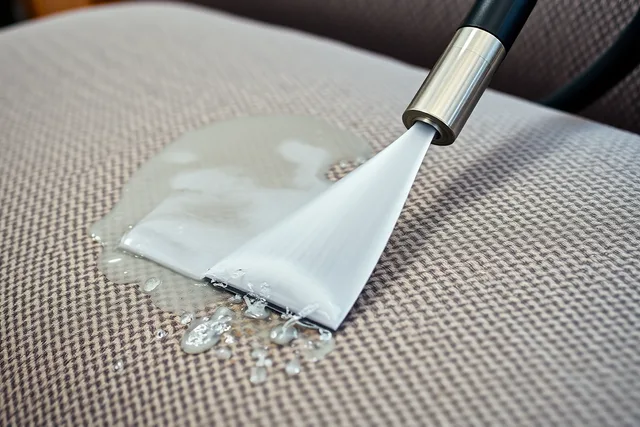
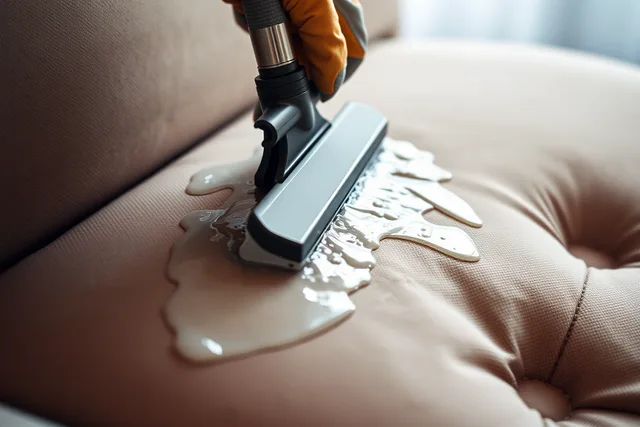
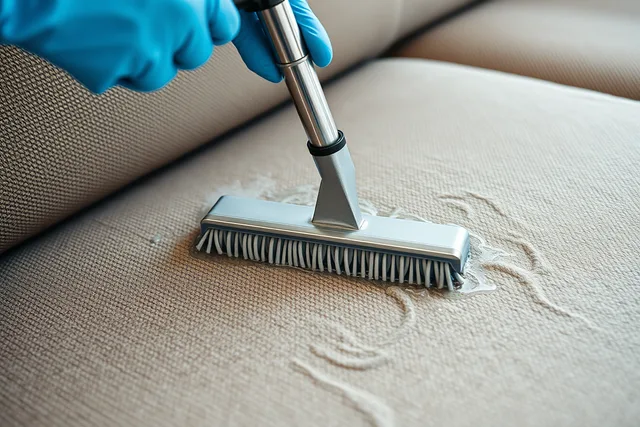
Most fabric car seats respond to warm water, a mild detergent, and patience, not a steam machine. Gather a pH neutral fabric cleaner, a soft brush, and two microfiber towels.
Rented extractors run $30 to $60 a day in most Canadian cities. A dedicated fabric cleaner costs $12 to $25 a bottle. Work in this order: The practical detail is set out in How to Remove Salt Stains from.
DIY salt stain removal
- Vacuum the seat dry to lift grit before any liquid touches the fabric.
- Mix one teaspoon of mild detergent into a litre of warm water.
- Work the solution in with the brush using light circles, one panel at a time.
- Press a dry towel into the seat, rinse, and extract with the vacuum.
DIY salt stain removal
Typical cost (CAD)
- DIY spot clean
- $15 to $45
- DIY with a rented extractor
- $60 to $120
- Mobile detailer, seats only
- $80 to $180
- Shop interior detail
- $150 to $400
Time
- DIY spot clean
- 45 to 90 minutes
- DIY with a rented extractor
- 2 to 3 hours
- Mobile detailer, seats only
- 1 to 2 hours
- Shop interior detail
- Half day drop off
Main risk
- DIY spot clean
- Rings when the seat stays too wet
- DIY with a rented extractor
- Slow drying in cold weather
- Mobile detailer, seats only
- Weather and driveway access
- Shop interior detail
- Package upsell
Salt dissolves in water. What stays behind is detergent and mineral residue that wicks to the surface as the seat dries.
What Canadian detailing shops charge by province
Rates follow local labour costs and winter demand. Ontario and British Columbia sit at the top, and Greater Toronto and Metro Vancouver quotes for a fabric seat extraction commonly fall between $120 and $250.
Alberta and Quebec usually land at $100 to $200. Prairie and Atlantic markets come in at $80 to $160, and mobile operators add a travel fee outside city limits. Compare service quotes from at least two shops before booking.
Check the care code first, because a code S textile needs solvent while a code W or WS seat can take water.
Example: two quotes for one salt bloomed bench seat
A four door sedan with pale rings across the rear bench, no odor, and a dry cabin is the easy case. A mobile detailer at the low end of the range charges about $120 and finishes in the driveway in 90 minutes.
A shop at the high end charges about $240 and keeps the car for a day. The extra money buys faster drying equipment and a redo policy. Soaked padding changes both routes, and quotes climb toward $300 for that section.
When a professional is the cheaper route
Three signals point to paying a shop. Odor that survives one DIY attempt means saltwater reached the foam. White crust along the seat seam says the same. A tag marked S or X means water based cleaning can set the stain.
Cleaning prices vary by city, service type, and vehicle size, so a quote in Halifax looks different from one in Calgary. That spread, not the stain itself, explains most of the gap.
Paying twice for removal costs more than a prevention routine, so blocking salt early is the cheaper math.
Prevention that keeps the yearly cost near zero
Every dollar spent on removal is a dollar you did not spend on protection. A seasonal protectant and mat setup blocks most road salt before it reaches the weave.
A five minute weekly cabin routine helps too, because salt crystals bond to fabric within days. Wipe the seams and the seat base with a damp towel, then dry the area.
Over a winter, supplies for that routine cost less than one mobile detailing visit. Our prevention guide for Canadian winters lists the protectants that survive a freeze and the mats that hold a lip.