Guides
How to Get Salt Stains Out of Fabric Car Seats in Winter
A step by step method for lifting winter road salt from fabric car seats, plus when DIY supplies are enough and when a Canadian detailing shop is worth the cost.
What to take away
- Road salt leaves a white crust, and flooding it with water pushes the salt deeper into the foam.
- The reliable method is vacuum, blot with mild soap or vinegar, rinse, extract, then dry with airflow.
- Do not soak the seat or use high heat, because foam holds moisture and heat can set the stain.
- Supplies cost about $15 to $45, and the DIY versus pro cost breakdown lists every province.
- Treat stains within a few days, before salt keeps pulling winter dampness into the padding.
Why Road Salt Bonds to Fabric Car Seats
Canadian road crews spread sodium chloride, magnesium chloride, and in some provinces a beet juice brine. Boots carry the mix into the car as slush, and the fabric wicks it down into the pile. When that water dries, the salt recrystallizes around individual fibers.
A stiff brush only pushes the crust sideways. Plain water dissolves the salt and drives it deeper into the foam, where it dries into a wider ring. Controlled moisture plus extraction is the reliable answer.
Car seat salt stain removal in Canada also depends on timing. Fresh, dry crust lifts in minutes. A stain left for three weeks has already moved into the padding.
Step by Step Salt Stain Removal
Work in a garage or in shade, so the solution does not dry before you rinse it.
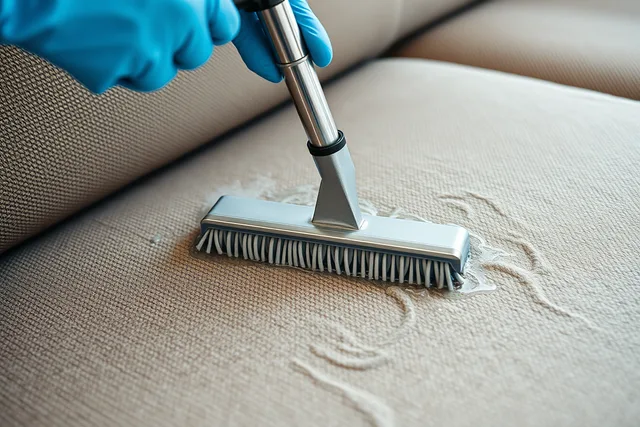
- Vacuum the seat with a crevice tool and a soft brush attachment to lift loose crystals.
- Check whether the fabric tolerates water. Upholstery codes such as W, S, WS, and X come from a standard care labelling system that says which liquids are allowed, and most car seat cloth is water-safe polyester.
- Mix one teaspoon of clear dish soap into one cup of warm water.
- Test the solution on a hidden seam or under the cushion, then wait five minutes.
- Dampen a microfiber cloth, not the seat, and blot from the edge of the stain toward the center.
- Rinse with a cloth dampened in clean water, then blot with a dry towel.
- Repeat the blot and rinse until the cloth picks up no more white residue.
- Dry with airflowopen the windows, run the cabin fan, or park in a heated garage.
Cleaning Solution Options for Fabric Car Seats
| Solution | Best for | Watch out for |
|---|---|---|
| 1 teaspoon clear dish soap in 1 cup warm water | Everyday salt rings on polyester | Soap residue attracts new dirt if you skip the rinse |
| 1 part white vinegar to 3 parts water | Thick white crust and stale odor | The smell lingers for a day, so test dark fabric first |
| Enzyme cleaner | Salt stains mixed with pet or food spills | Needs 10 to 15 minutes of dwell time |
| Distilled water | Final rinse step | Will not lift salt on its own |
Change your rinse cloth often. A dirty cloth moves salt from one part of the seat to another.
Drying Fabric Car Seats Without Mildew
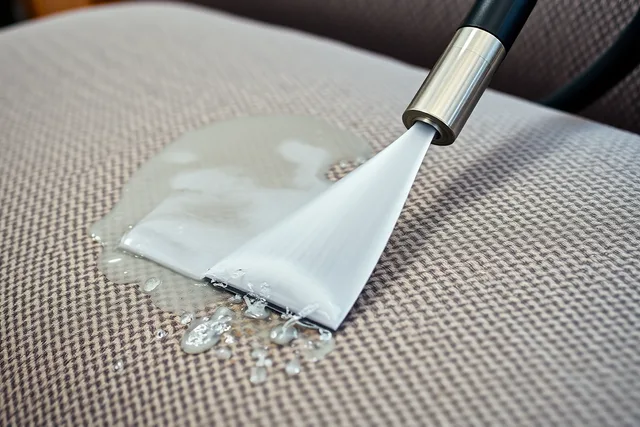
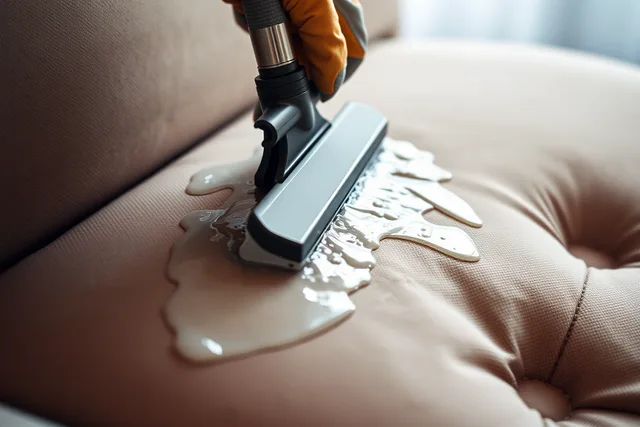
Foam holds water long after the fabric surface feels dry. A steam extractor pulls most of it back out, because hot water vapor loosens residue and carries it into the recovery tank.
Winter car upholstery cleaning is mostly a drying problem. Aim a fan across the seat for several hours, or crack the windows in a heated garage.
Skip the hair dryer on high. Heat can shrink some blends and drive salt deeper into the padding. The same methods work on sofas and chairs in our upholstery fabric care guides.
Example: A February Thaw in Winnipeg
A driver parks a sedan after a week of highway commuting. The driver's seat shows a grey band along the bolster and white lines where boots brushed the cushion edge.
Vacuuming lifts a spoonful of grit. Two rounds of soap solution and one vinegar pass remove the band. The seat then dries overnight with a box fan and the windows cracked.
That pattern repeats across the Prairies and in Ontario snow belts, where crews salt roads through January and February.
DIY Supplies Versus a Detailing Shop
A basic kit holds a shop vacuum, four microfiber cloths, clear dish soap, white vinegar, distilled water, and a spray bottle. Many households own half of it, so the spend lands near $15 to $45.
Canadian detailing shops quote $80 to $400 for the same seat, depending on province, vehicle size, and whether they steam extract. The province by province breakdown explains that gap.
Book a pro when salt has soaked into the foam, when the seats are light colored, or when heated seat elements sit under the fabric. Otherwise one Saturday morning and a bucket usually finish the job.
Canada's consumer affairs resources help you compare written quotes before you book.