Guides
How to grow a carpet cleaning business customer base without the jargon
Customer growth in carpet cleaning follows repeatable work: fiber and code recorded, drying done right, and reviews asked for after every job.
What to take away
- Referrals come from jobs that dried flat, not from marketing spend. A wicking stain or a wet pad is a lost referral.
- Record fiber and cleaning code on every ticket. Viscose and the wrong method produce the callbacks that kill repeat business.
- Ask for the review the day after the job, from every customer, not from the ones you expect to praise you.
- Route density decides which jobs you can afford to take. Drive time is the cost you control by scheduling, not by pricing.
The work that produces referrals
A customer recommends you because the carpet looked right a week later, not on the day. That is decided by what the technician wrote down and did.
Fiber identification comes first, and wool, nylon and polyester tolerate most wet methods, but olefin is oil-loving and can wick. Viscose, often sold as rayon/viscose, weakens when wet and can brown at the edges.
If the code says S, clean with a solvent and no water; if it says X, vacuum and leave it alone.
The code is on the manufacturer's label, usually under a cushion or on the back of the piece.
Test for colorfastness before any wet method. A white towel and the pre-spray, worked into a hidden corner, tells you whether the dye moves. Record the result on the ticket. If it bleeds, you have your answer before the wand touches the field.
Pre-spray dwell time is a documented step, not a guess. Follow the product label and write the time on the ticket. Rushing dwell is how soil stays in the backing and wicks back up.
Drying, wicking and the callback
A wicking stain returns because moisture pulled soil from the backing to the surface as it dried. Browning is the same mechanism with a different soil. Both are drying problems, and both are preventable.
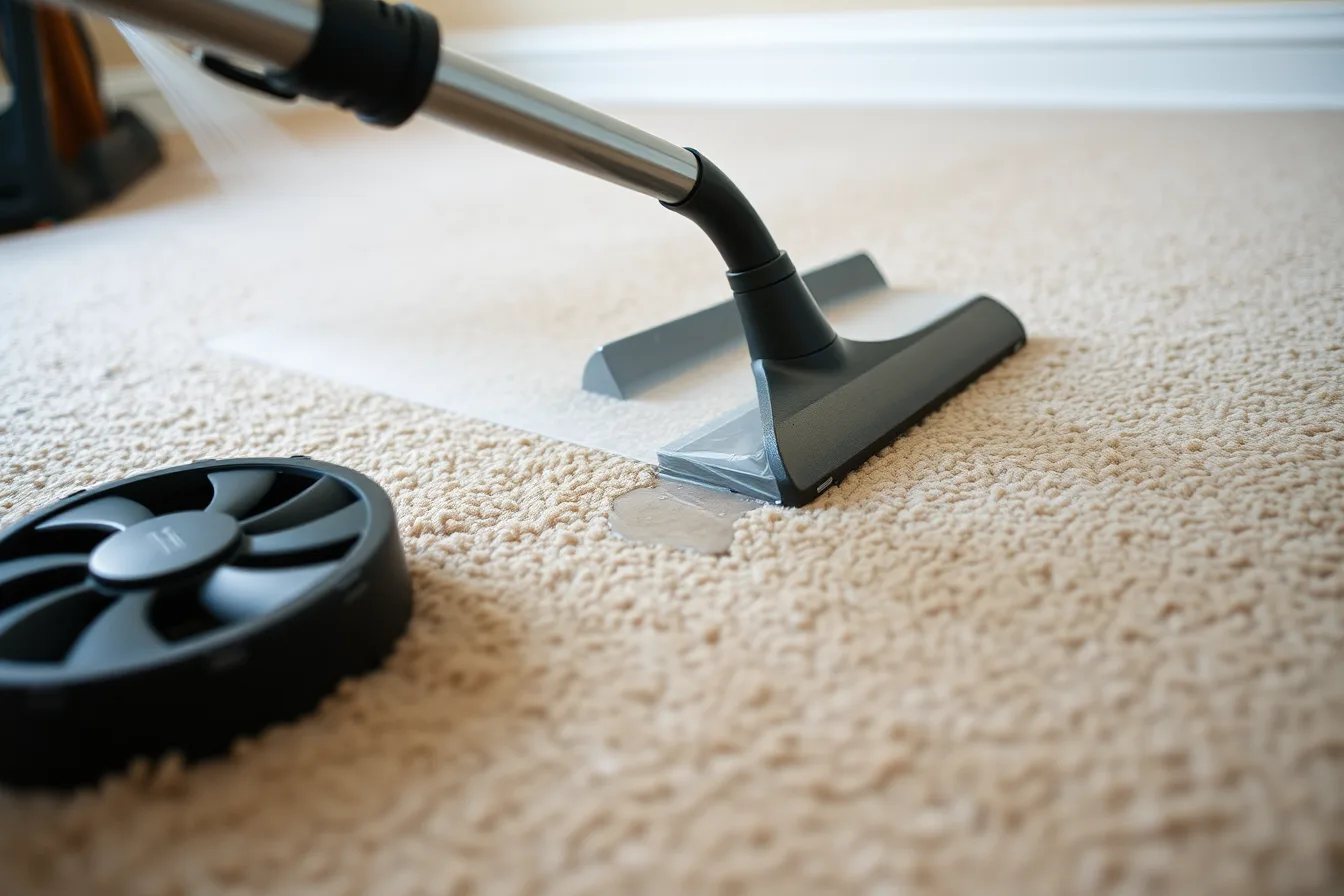
Over-wetting is the cause. A wand passed too slowly, or too many passes, pushes water past the backing. Air movers and open windows cut drying time. Tell the customer how long the carpet needs before furniture goes back, and put that number on the invoice.
| Method | Decides | Watch for |
|---|---|---|
| Hot water extraction | Deep soil removal, most residential work | Over-wetting, long dry time |
| Low-moisture encapsulation | Fast dry, commercial and light soil | Less soil removal on heavy traffic lanes |
| Dry compound | Viscose and delicate pieces | Residue if not vacuumed out |
Protector reapplication is a line item, not a default. It goes on after the carpet is dry, and only if the customer agrees. Skipping it on a job where the customer expected it is a callback waiting to happen.
Reviews, profiles and route density
Your Google Business Profile is the first thing a homeowner checks. Keep the name, service area, phone, hours and photos current. Google's own guidance on local ranking names relevance, distance and prominence, and complete profiles with recent reviews and photos support all three.
Ask every customer for an honest review the day after the job. Do not offer a discount, and do not ask only customers you expect to be happy. The FTC's guide on soliciting online reviews says selective asking and incentives can mislead.
Respond to every review. Never name the customer's address or the details of their home.
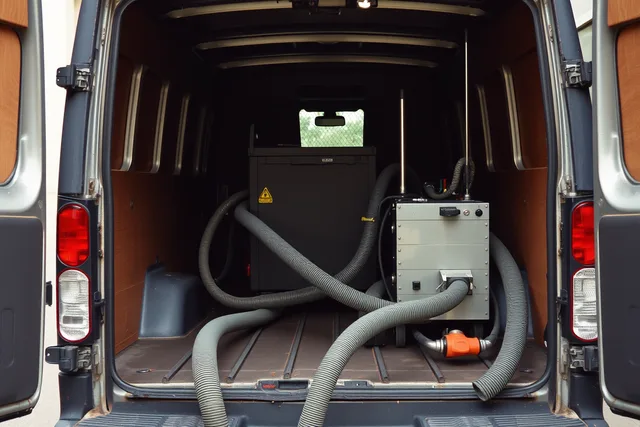
Route density decides which jobs you can take, and a truck-mount reaches further and cleans faster but needs a driveway and water source.
A portable fits apartments and upper floors but slows the job. Group work by postcode to keep drive time short.
A minimum charge covers a small job alone on the schedule; without one, a single-room clean in the next town costs you the day.
Common questions
How do I stop a stain coming back after cleaning?
Wicking happens when moisture pulls soil from the backing to the surface as it dries. Check your drying setup first, then re-clean the spot with the correct method for the fiber.
What do I do when the cleaning code says S or X?
S means solvent only, no water. X means vacuum only. Both are set by the manufacturer and override whatever method you would normally use.
Should I offer a discount for a review?
No. The FTC guidance treats incentives as a risk of creating a misleading picture. Ask every customer and let the honest ones answer.
How do I price a job in a town twenty minutes away?
Use your minimum charge to cover the drive, and only book it if it groups with other work nearby. A named minimum plus a route check is the whole calculation.